Natural, Rested-Looking Eyes Start With a Detail-Focused Surgeon

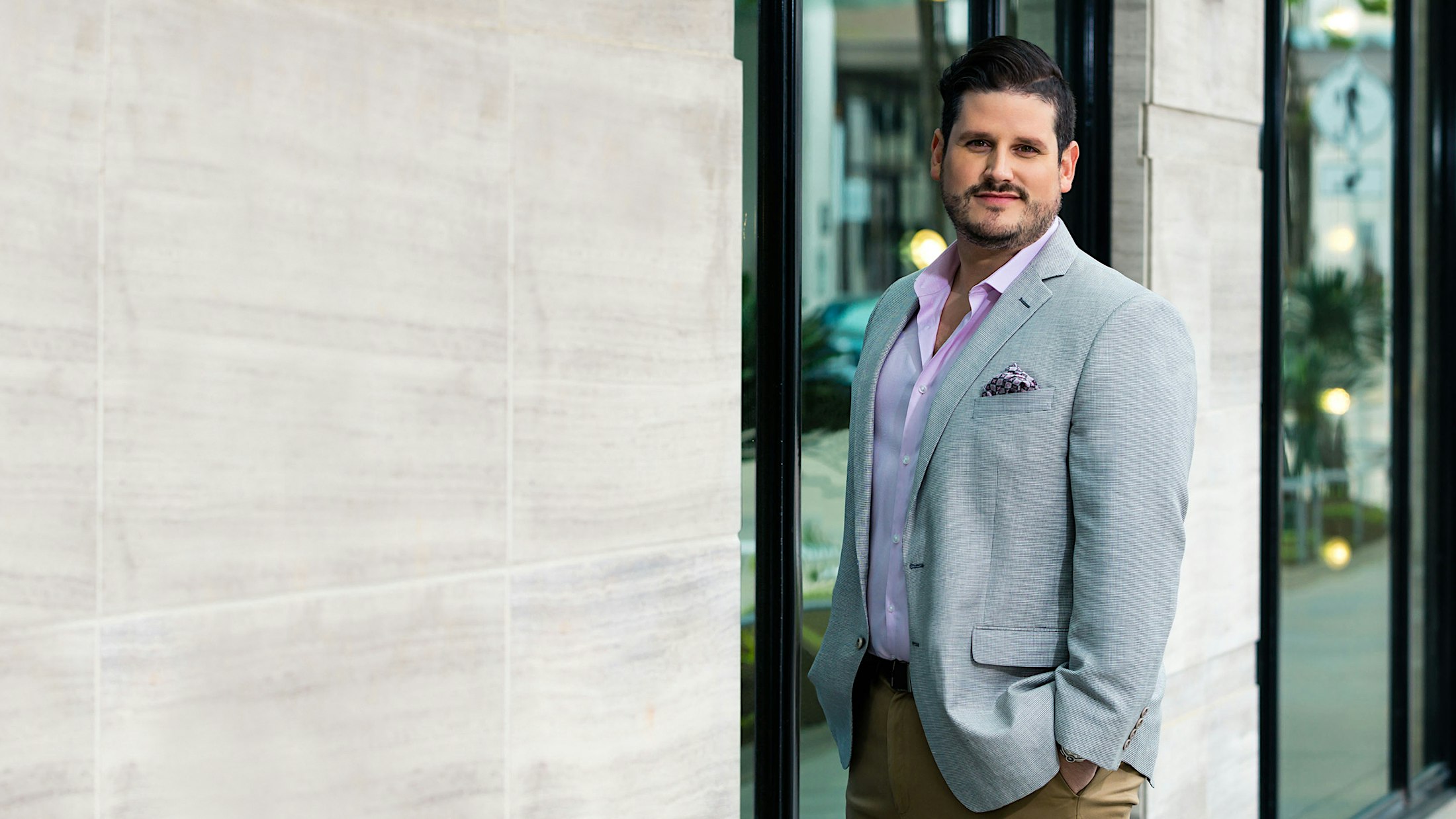
Dr. Christian Arroyo is certified by the American Board of Plastic Surgery. He completed general surgery training at Mayo Clinic and the University of Connecticut, and then his plastic surgery residency at Houston Methodist Hospital. That background shapes his approach to the delicate eyelid area: conservative, precise, and mindful of how the eyes fit the rest of the face.

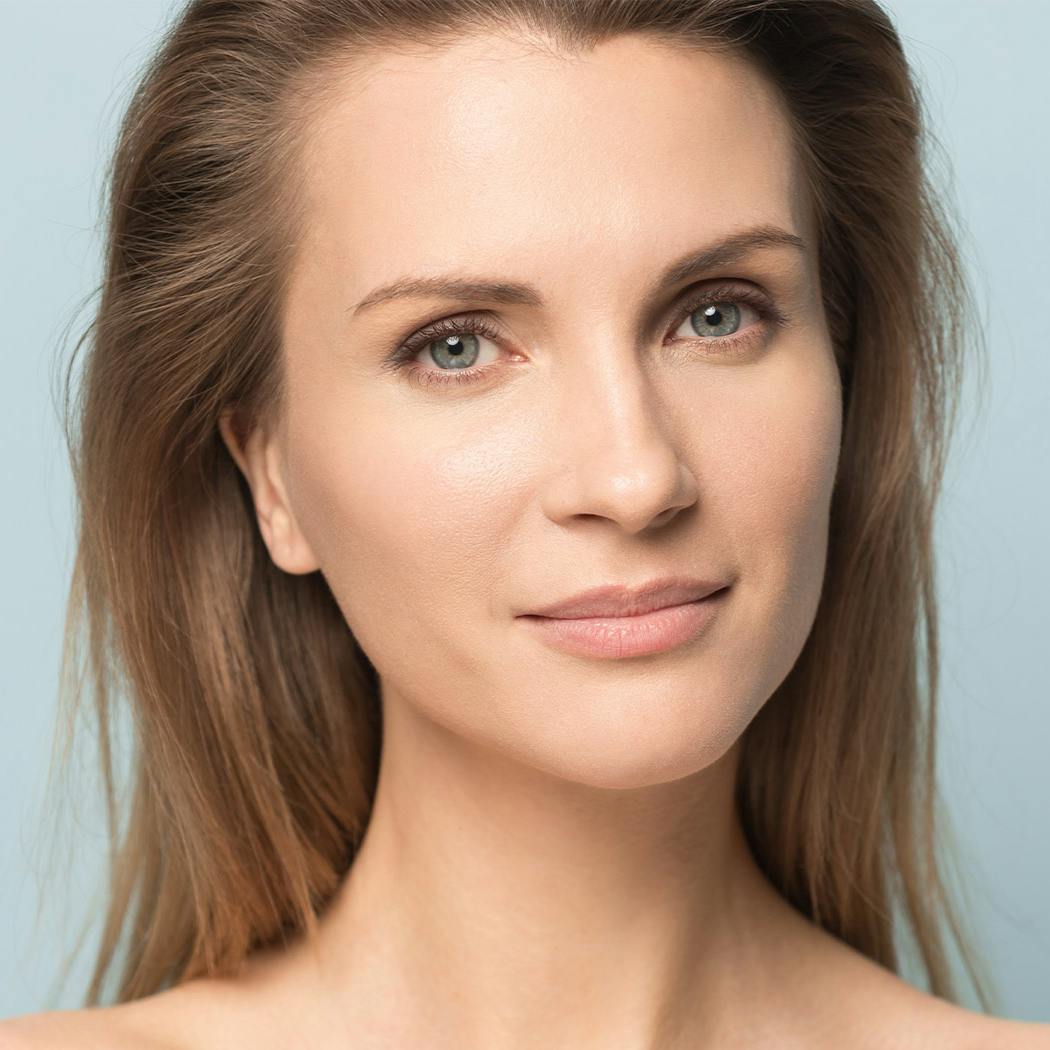
woman touching her face

What Is Upper Eyelid Surgery?

Upper eyelid surgery, also called upper blepharoplasty, reshapes the upper lids by removing tissue that has stretched or shifted with age.

As we get older, eyelid skin stretches, and the muscles that support it weaken, allowing skin and fat to collect above the eyes. The result is often a heavy, hooded lid that makes the whole face look fatigued.

Depending on your anatomy, Dr. Arroyo may address one or more of the following during upper eyelid surgery:

  • Excess skin that folds over the natural crease or rests on the lashes
  • A thin strip of muscle that contributes to heaviness in the lid
  • Protruding fat pockets that create puffiness above the eyes

For some patients, the procedure also serves a functional purpose. Redundant upper eyelid skin, known as dermatochalasis, can drape over the lash line and block part of your upper vision. Correcting upper eyelid dermatochalasis significantly improves vision, peripheral vision, and quality-of-life activities.

Benefits of Upper Eyelid Surgery

  • A more open, alert eye shape that looks rested rather than tired
  • Less hooding over the lash line, which can make eyeliner and eyeshadow easier to apply
  • Improved peripheral vision for patients whose excess skin blocks their upper field of view
  • Relief from eye strain for some patients, since discomfort or eye strain caused by droopy lids is among the findings associated with functional benefit
  • A discreet scar that sits within the natural eyelid crease
  • Long-lasting improvement, as results may last a lifetime for some people
Banner background

Are You a Candidate for Upper Eyelid Surgery?

You may be a good candidate for upper eyelid surgery if:

  • Excess skin on your upper lids folds over or rests on your lashes
  • Fullness or puffiness above the eyes makes your lids look heavy
  • Friends or coworkers often say you look tired, even when you feel rested
  • You are in good general health and do not have serious eye conditions
  • You do not smoke or are willing to quit before surgery
  • You have realistic expectations about what the procedure can achieve

Health habits matter for healing. We advise smokers to quit at least one month before eyelid surgery, as nonsmokers and people without serious eye problems tend to have better outcomes.

What to Expect Before, During, and After Upper Eyelid Surgery

Consultation

The eyelid itself does not always cause heaviness in the upper lid. Several conditions can look similar but call for different treatments:

  • Excess eyelid skin (dermatochalasis): Loose skin folds over the crease or lashes and is typically corrected with upper eyelid surgery.
  • A low-set or drooping brow: Brow descent pushes tissue down onto the lid. Because excess eyelid skin and a drooping brow frequently occur together, a brow lift may be recommended alongside blepharoplasty.
  • Eyelid ptosis: Weakness of the muscle that raises the lid causes the lid margin to sit too low, which requires a separate repair.

During your consultation, Dr. Arroyo evaluates your brow position, lid position, and skin to determine which of these is responsible.

The cost of upper eyelid surgery in Houston depends on your anatomy and whether other procedures are combined. The American Society of Plastic Surgeons reports an average surgeon's fee of $3,359 for cosmetic upper blepharoplasty, which does not include anesthesia, operating room, or other related costs.

Your total investment may include:

  • Surgeon's fee, based on the complexity of your procedure
  • Surgical facility fees for Dr. Arroyo's accredited surgery center
  • Anesthesia fees
  • Prescription medications for your recovery
  • Medical tests required before surgery

Dr. Arroyo's team provides a personalized quote after your consultation.

Insurance may cover the procedure when excess skin impairs vision. Functional impairment is typically documented using external photographs and visual field testing, performed with and without the eyelids taped.

For elective procedures, financing is available through Cherry, CareCredit, United Medical Credit, and Alphaeon Credit. Both in-person and virtual consultations are available, which is helpful for patients traveling from elsewhere in Texas.

Procedure

Upper eyelid surgery is an outpatient procedure, so you go home the same day. The procedure typically follows these steps:

  1. Dr. Arroyo marks the precise amount of skin to remove while you sit upright, so gravity shows how your lids naturally rest.
  2. Anesthesia is administered for comfort.
  3. A fine incision is made along the natural upper eyelid crease.
  4. Excess skin, and if appropriate, a thin strip of muscle and a conservative amount of fat, is removed.
  5. The incision is closed with fine sutures.

Recovery and Results

Recovery from upper eyelid surgery is typically manageable. Most patients follow a timeline like this:

  • First few days: Swelling, bruising, watery eyes, and light sensitivity are common, and ice packs help control swelling.
  • About one week: A stitch in each upper lid typically stays in place for about a week.
  • One to two weeks: Avoid strenuous activity for a week and contact lenses for about two weeks.
  • 10 to 14 days: Most people feel comfortable going out in public.
  • Several months to one year: The scar can continue to improve for up to a year.

Protecting your healing eyelids from the sun helps the scar fade. Dr. Arroyo provides detailed aftercare instructions and remains available throughout your recovery.

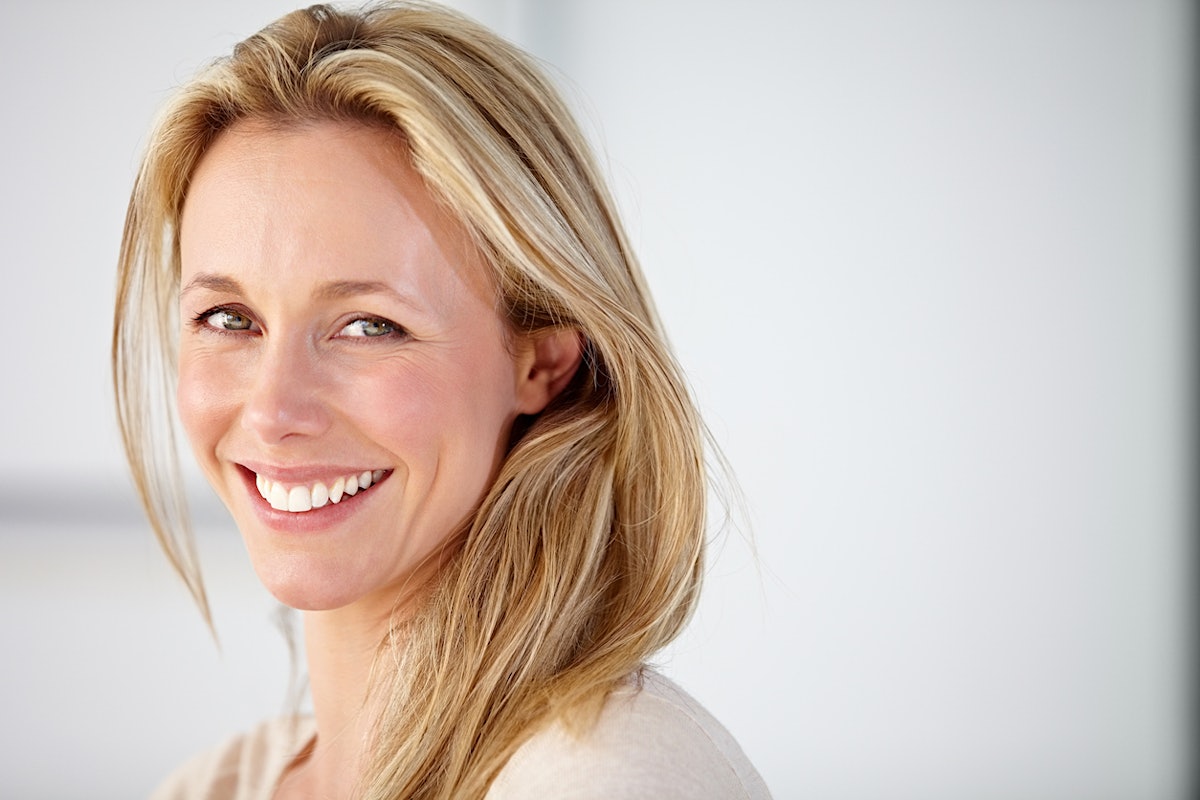
Woman with her hair down

Combining Upper Eyelid Surgery With Other Facial Procedures

Many patients pair upper eyelid surgery with other facial procedures for a more complete refresh. Common combinations include:

  • Lower eyelid surgery, which treats under-eye bags
  • Facelift, which addresses sagging along the cheeks and jawline
  • Facial fat transfer, which restores volume the face has lost with age
  • Brow lift, when a low brow contributes to hooding

Combining procedures in Dr. Arroyo's surgery center means one anesthesia session and one recovery period.

Alternatives to Upper Eyelid Surgery

Non-surgical treatments can help with mild concerns, but they cannot remove significant excess skin. Options Dr. Arroyo may discuss include:

  • BOTOX, which can create a subtle lift at the tail of the brow
  • HALO laser, which improves skin texture and tone around the eyes
  • Morpheus8, which uses radiofrequency microneedling to firm crepey skin

For true hooding, surgery remains the most reliable way to restore a clear, open upper lid.

Schedule Your Upper Eyelid Surgery Consultation With Dr. Arroyo

If heavy upper lids are affecting how you look or see, Dr. Arroyo can help you understand your options. Arroyo Plastic Surgery offers upper eyelid surgery in Houston at 841 Yale St #300. Call (832) 843-2702 today to schedule an in-person or virtual consultation.

Banner background

Why Choose Dr. Arroyo for Upper Eyelid Surgery in Houston

Dr. Arroyo performs surgery in his own AAAASF-accredited surgery center, a private facility designed specifically for plastic surgery. You can have your procedure without the expense and inconvenience of a hospital stay. After surgery, you recover in a comfortable, upscale post-op area.

Safety drives every decision in his practice. For most procedures, Dr. Arroyo uses TIVA (total intravenous anesthesia), which allows patients to breathe on their own without intubation.

Several other qualifications set his practice apart:

  • Board certification by the American Board of Plastic Surgery
  • Membership in the American Society of Plastic Surgeons and The Aesthetic Society
  • Published work in books and peer-reviewed journals, plus presentations at plastic surgery and medical research meetings across the United States
  • Fluency in both English and Spanish
  • Direct access to Dr. Arroyo throughout recovery, so your questions never go unanswered
Background for doctor module

Upper Eyelid Surgery FAQs

What Are the Risks of Upper Eyelid Surgery?

Upper eyelid surgery carries some risks, which Dr. Arroyo reviews during your consultation. According to Mayo Clinic, uncommon risks include infection, bleeding, dry or irritated eyes, difficulty closing the eyes, noticeable scarring, skin discoloration, temporary blurred vision, and the need for follow-up surgery.

Is Upper Eyelid Surgery Painful?

Most patients describe mild discomfort rather than pain. Cleveland Clinic considers blepharoplasty one of the least painful cosmetic procedures, with most discomfort easing soon after surgery.

Will I Have a Visible Scar?

The scar sits within the natural fold of the upper lid, where it is typically hidden when your eyes are open. It fades gradually over the following months.

How Long Do Upper Eyelid Surgery Results Last?

Results are long-lasting, though natural aging continues. Some patients never need another procedure, while others choose a touch-up years later.

Disclaimer: This information is provided for educational purposes only and does not replace a consultation with a board-certified plastic surgeon. Outcomes, risks, and suitability vary from patient to patient.

Logo media
Accessibility: If you are vision-impaired or have some other impairment covered by the Americans with Disabilities Act or a similar law, and you wish to discuss potential accommodations related to using this website, please contact our Accessibility Manager at (713) 393-7444.
Contact Us