
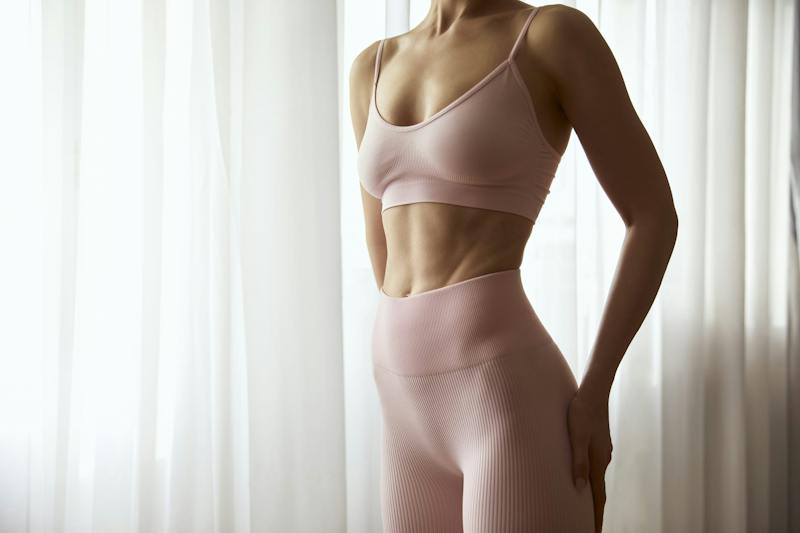
What does extended tummy tuck recovery feel like in the first two weeks?
Extended tummy tuck recovery in the first two weeks usually feels tight, swollen, and tiring at first, then steadily easier. Week one is the most limited stretch, with rest, short walks, a compression garment, and a slightly bent-forward posture. By week two, most patients feel noticeably more comfortable and mobile, though full recovery takes longer.
Every patient heals on a different timeline. The American Society of Plastic Surgeons (ASPS) notes that recovery depends on your age, general health, type of tummy tuck, and post-surgery care. Talk with your board-certified plastic surgeon about what your own recovery plan will look like.
An extended tummy tuck, also called a circumferential abdominoplasty, treats more than the front of the belly. The incision runs from the hips toward the back, and excess skin and fat are removed from the abdomen, hips, and flanks. Because the treatment area is larger, ASPS notes that an extended tummy tuck may take longer to recover from than a mini tummy tuck. Dr. Christian Arroyo designs his tummy tuck in Houston to make those early weeks as smooth as possible, from his sedation method to the way he closes the incision.
Days 1–3: What should you expect right after surgery?
The first three days after an extended tummy tuck are about rest, comfort, and gentle movement. Dr. Arroyo performs the surgery as an outpatient procedure, so most patients go home the same day wearing a compression garment. Expect tightness, swelling, and soreness across the abdomen, and plan to rest at an angle with help at home.
Waking up feels clearer. Dr. Arroyo uses Total Intravenous Anesthesia (TIVA), a type of IV sedation that lets you breathe on your own with no breathing tube. TIVA is designed to avoid the grogginess, nausea, and vomiting often tied to general anesthesia, so you can head home sooner and more comfortably.
Comfort is managed for you. Some pain and discomfort is expected after any tummy tuck, and the amount varies from person to person. Dr. Arroyo provides pain medication to keep you comfortable during recovery.
Rest, but keep moving. Rest is essential during the first 48 hours, but gentle movement improves circulation. ASPS recommends resting at an angle for the first few days and moving around as instructed to help prevent blood clots.
Line up help. ASPS advises having someone help you for at least the first day or two at home, since bending, lifting, and standing for long periods will be difficult. You will also need someone to drive you home after surgery.
Why do you walk bent over after an extended tummy tuck?
You walk bent over after an extended tummy tuck because your abdominal muscles have been tightened and loose skin has been removed, so the front of your body feels snug. Walking slightly hunched feels more comfortable early on. Standing up straight improves gradually, and most patients stand fully upright within a few weeks of surgery.
This posture is an expected part of healing, not a sign that something is wrong. MyHealth Alberta notes that you may not be able to stand up straight when you first come home, but this will improve. Short, frequent walks around your home help your circulation and help you feel steadier each day. Between walks, moving your feet and legs often keeps blood flowing.
Standing tall again is often the moment confidence kicks in. That's when many patients start to see the full shape of their new midsection.
Days 4–7: When does the tightness and swelling start to ease?
Days four through seven after an extended tummy tuck are often when patients settle into a routine. Soreness and swelling are common throughout the first week, and bruising and numbness are expected. Because the incision extends toward the hips, you may feel tightness around your flanks and lower back, not just the front.
Swelling and firmness. Your belly will be sore and swollen for the first week. Your compression garment helps minimize swelling and support your abdomen as it heals, so wear it exactly as directed.
Numbness. The skin on your stomach will likely be mostly numb for several weeks to months. Feeling returns slowly. This is a normal part of healing after the skin is lifted and tightened.
Flank and hip tightness. During an extended tummy tuck, Dr. Arroyo also uses liposuction to contour the flanks and hips. Those areas may feel sore and tight along with your abdomen.
Your new belly button. Because the skin is lifted, the belly button is repositioned during surgery. Dr. Arroyo places the scar inside the natural fold of the navel using his natural belly button technique, which is designed to help it keep a natural depth and shape as it heals.
Energy and mood. Feeling tired is normal while your body heals. Feeling a little emotional or impatient with swelling is understandable too. Rest, short walks, and staying in touch with Dr. Arroyo's team help week one feel more manageable.
Do you need drains after an extended tummy tuck?
Whether you need drains after an extended tummy tuck depends on the closure technique. Dr. Arroyo uses a progressive tension closure that reattaches the skin and fat layer directly to the underlying muscle. This technique significantly reduces, and often eliminates, the need for post-op drains, one of the most common complaints after a traditional tummy tuck.
Drains are thin tubes that remove fluid that can build up under the skin. That fluid buildup is called a seroma. Progressive tension sutures (PTS) are stitches placed at intervals to close the space where fluid would otherwise collect.
The research on this approach is encouraging:
- A study of 451 abdominoplasties in Aesthetic Surgery Journal reported published seroma rates of 2% to 26% with drains, compared with 0.1% to 4% with progressive tension sutures without drains.
- A Level 1 systematic review and meta-analysis found that PTS significantly reduced seroma rates (relative risk 0.34) and reoperation rates compared with drains, with no significant difference in hematomas or infections.
Fewer drains can mean fewer tubes to manage at home and a simpler first week. Your surgical team will tell you what to expect for your specific procedure.
Week 2: When will you feel like yourself again?
Week two after an extended tummy tuck is often the turning point. Most patients feel noticeably more comfortable and mobile by week two, can stand a little taller, and start handling light tasks around the house. Swelling is still present, and lifting and exercise still need to wait until your surgeon clears you.
Everyday tasks come back. According to ASPS, driving, cooking, or shopping is often manageable after a week or two. Dr. Arroyo will confirm when each activity is safe for you.
Work is close. Most of Dr. Arroyo's patients can return to work within 2 to 3 weeks. If your job is physically demanding, plan for more time.
Some things still wait. Avoid picking up children or heavy objects for the first few weeks. You will need to wait up to 6 weeks before returning to exercise or full physical activity.
Results keep developing. Swelling and bruising can take up to three months to go down completely, and ASPS notes that most patients begin feeling more normal around the eight-week mark. As swelling fades, your flatter, more sculpted shape becomes easier to see. Browse Dr. Arroyo's tummy tuck before-and-after gallery to see real patient results.
Extended Tummy Tuck Recovery, Day by Day (Days 1–14)
| Timeframe | How you may feel | What helps | Activity level |
|---|---|---|---|
| Day of surgery | Relaxed, clear-headed after TIVA; tight and sore | Compression garment, pain medication, a driver and helper | Go home the same day; rest |
| Days 1–3 | Tightness, swelling, soreness; bent-forward posture | Rest at an angle; gentle movement for circulation | Mostly resting; short walks at home |
| Days 4–7 | Swelling, bruising, numbness; tightness at flanks and lower back; tiredness | Garment as directed; short, frequent walks; help at home | Light movement around the house |
| Days 8–14 | Noticeably more comfortable and mobile; standing taller | Continue garment and follow-up visits | Light tasks; driving, cooking, shopping often manageable after a week or two |
| Weeks 2–3 and beyond | Swelling still settling | Follow Dr. Arroyo's instructions | Most return to work in 2–3 weeks; exercise up to 6 weeks |
What's normal, and when should you call your surgeon?
Tightness, swelling, bruising, numbness, fatigue, and a bent-forward posture are all normal in the first two weeks after an extended tummy tuck. Call your surgical team right away if something feels sudden, severe, or different from what you were told to expect, such as a fever, rapidly increasing swelling on one side, calf pain, or shortness of breath.
Serious complications are uncommon. A literature review in Archives of Plastic Surgery found that fewer than 1% of abdominoplasty patients have a systemic complication, while roughly 10% to 20% experience a local complication, such as a wound or fluid issue. Following your instructions closely and keeping your follow-up visits helps your team spot anything early. Dr. Arroyo's team is available to answer questions throughout your recovery.
Who is a good candidate for an extended tummy tuck?
A good candidate for an extended tummy tuck has loose skin and fat that extend past the front of the abdomen onto the hips, flanks, or back, often after significant weight loss. Ideal candidates are physically healthy, at a stable weight they can maintain, do not smoke, and have realistic expectations about results.
An extended tummy tuck is popular with patients who have lost substantial weight through bariatric surgery, GLP-1 medications, or lifestyle changes. It can also be part of a Mommy Makeover for women who are finished having children.
The payoff can be meaningful. In a study of 100 post-bariatric patients, satisfaction with mobility rose from 26% before surgery to 88% one year after abdominoplasty, and satisfaction with self-esteem rose from 11% to 84%. In a prospective study of 360 patients, those who had liposuction combined with abdominoplasty reported 99.2% satisfaction, and 97.6% said they would undergo the operation again.
Dr. Arroyo is a board-certified plastic surgeon trained at the Mayo Clinic and Houston Methodist. During your consultation, he will review your goals and help you decide whether an extended tummy tuck is the right fit.
FAQs
How long does swelling last after an extended tummy tuck?
Swelling after an extended tummy tuck is most noticeable in the first two weeks and then fades gradually. According to the American Society of Plastic Surgeons, swelling and bruising can take up to three months to go down completely. Wearing your compression garment as directed helps minimize swelling and supports your abdomen as it heals.
Can I sleep on my side in the first two weeks after an extended tummy tuck?
Most patients rest on their back at an angle for the first few days after an extended tummy tuck, as ASPS recommends. When you can switch to side sleeping depends on your incision and how you are healing. Ask Dr. Arroyo's team at your follow-up visit, and use pillows to stay comfortable in the meantime.
Why does my lower back ache after an extended tummy tuck?
A lower back ache after an extended tummy tuck can happen because the incision extends toward the hips and the procedure can involve the flanks and lower back. Walking slightly bent forward in the first week can also tire your back. The ache tends to ease as you stand taller. Mention any persistent pain to your surgical team.
When can I shower after an extended tummy tuck?
When you can shower after an extended tummy tuck depends on your dressings and incision care plan. Dr. Arroyo's team gives you detailed instructions about movement, rest, garment use, and follow-up appointments before you go home. Follow those instructions closely, and call the office if anything about bathing or incision care is unclear.
Will I need someone to stay with me after an extended tummy tuck?
Yes, plan for a friend or family member to drive you home and help you for at least the first day or two after an extended tummy tuck. Bending, lifting, and standing for long periods are difficult early in recovery, so extra help with meals, childcare, and errands makes the first week much easier.
Is it normal to feel tired or emotional during the first week?
Yes, feeling tired is a normal part of healing after an extended tummy tuck. Limited mobility and early swelling can make the first week feel long, and feeling emotional or impatient is understandable. Rest, short walks, and staying in touch with Dr. Arroyo's team can help. Most patients feel noticeably more comfortable by week two.
When can I drive after an extended tummy tuck?
Driving is often manageable after a week or two following a tummy tuck, according to the American Society of Plastic Surgeons. Dr. Arroyo will confirm when driving is safe for you based on your comfort, mobility, and any medications you are taking. You will need someone else to drive you home on the day of surgery.
Is extended tummy tuck recovery longer than a regular tummy tuck?
Extended tummy tuck recovery can take longer than recovery from a mini tummy tuck because the procedure treats a larger area, including the flanks and hips. ASPS notes that more extensive abdominal contouring may take longer to recover from. Your timeline depends on your health and procedure, and Dr. Arroyo will walk you through it.
Plan your extended tummy tuck recovery with Dr. Arroyo
The first two weeks after an extended tummy tuck move from tight and tired to noticeably more comfortable and mobile. With TIVA sedation, same-day discharge, and a closure technique that often eliminates drains, Dr. Arroyo designs your tummy tuck in Houston around a smoother recovery. Talk with a board-certified plastic surgeon about your goals: schedule an in-person consultation in Houston or book a virtual consultation today.